

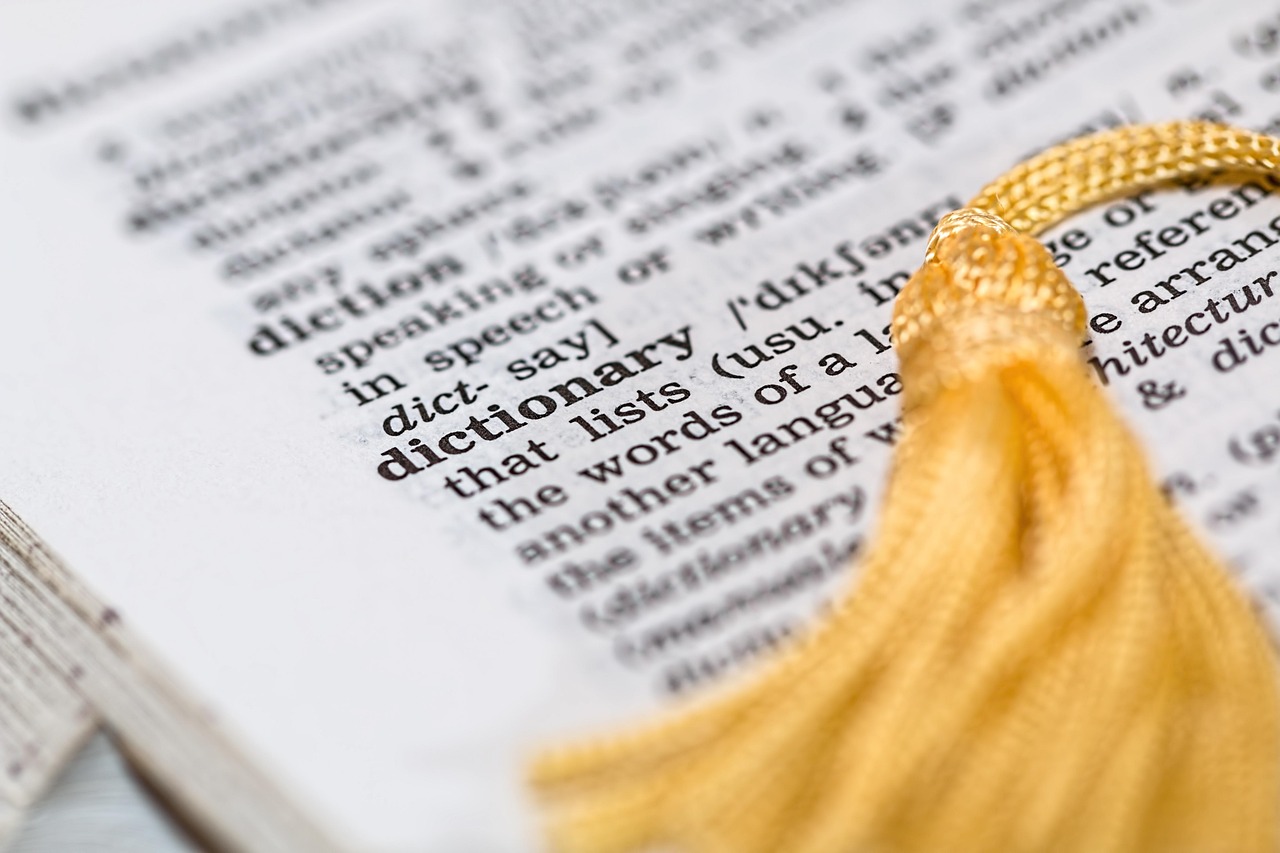
Education. The word itself conjures images of textbooks, lectures, and structured learning environments. Yet, its roots run far deeper than any formal institution, stretching back to the very dawn of human existence. It’s a fundamental pillar of our species, an ongoing dialogue between past, present, and future.
But what *is* education, truly? Is it merely the acquisition of facts, or something far more transformative? To understand its profound meaning today, we must journey back to its origins, tracing its evolution from survival instinct to a sophisticated mechanism for societal progress and individual empowerment. This article will explore the fascinating history of education and unpack its timeless, multifaceted significance in our lives.
The Dawn of Learning: Education in Ancient Times
Before schools, before books, before even written language, education was an imperative for survival.
#### Survival and Transmission: Prehistoric Education
In the earliest human societies, education was intensely practical and inherently informal. It wasn’t about grades or diplomas, but about passing on the knowledge essential for life itself.
* Skills for Survival: Children learned directly from their parents and community elders how to hunt, gather edible plants, identify dangers, make tools, build shelters, and create fire. These were hands-on apprenticeships, crucial for the group’s continued existence.
* Oral Traditions: Storytelling played a vital role, transmitting cultural values, tribal history, myths, and practical wisdom across generations. These narratives served as living textbooks, embedding lessons in memorable forms.
* Socialisation: Beyond practical skills, individuals learned the norms, rituals, and social hierarchies of their group, fostering cohesion and cooperation.
This foundational period established education as the primary means of cultural and practical transmission, a pattern that would evolve but never truly disappear.
#### From Caves to Classrooms: Early Civilizations
As human societies grew more complex, so did their educational needs. The rise of agriculture, settled communities, and hierarchical structures necessitated more formalised learning.
* Ancient Egypt: With its complex bureaucracy and religious systems, Egypt developed dedicated scribal schools. Here, students learned hieroglyphs, mathematics, astronomy, and religious texts. Education was largely a privilege for the elite, serving to maintain social order and administrative efficiency.
* Mesopotamia: The cradle of writing (cuneiform), Mesopotamia saw schools attached to temples, where scribes learned to record laws, commercial transactions, and epic tales. The emphasis was on literacy and numeracy, vital for governance and trade.
* Ancient China: Education under figures like Confucius focused on moral philosophy, history, poetry, and ritual. The imperial examination system, established centuries later, became a rigorous pathway to civil service, shaping the intellectual landscape for millennia and emphasising meritocracy (at least in theory).
* Ancient Greece: Perhaps the most influential in Western thought, Greek education varied. Spartan education (the Agoge) was highly militaristic, focusing on physical prowess, discipline, and loyalty to the state. Athenian education, however, championed rhetoric, philosophy, logic, and the arts, aiming to cultivate well-rounded citizens capable of participating in democratic life. Thinkers like Socrates, Plato, and Aristotle laid the groundwork for critical inquiry and systematic knowledge.
* Ancient Rome: Building on Greek models, Roman education initially focused on family values, practical skills, and rhetoric to prepare citizens for public life and legal careers. Later, Greek tutors and schools became common, with an emphasis on Latin and Greek literature, law, and engineering – skills essential for maintaining a vast empire.
These early civilisations transformed education from a purely informal process into a structured system, often tied to social class, religious institutions, or state needs, but always with the underlying purpose of perpetuating culture and knowledge.
The Medieval and Renaissance Eras: Faith, Reason, and Revival
The fall of the Roman Empire ushered in a new chapter for education in Europe, dominated by religious institutions, followed by a profound rebirth of learning.
#### The Dark Ages and Monastic Learning
During the early Middle Ages, much of the classical knowledge was preserved within the walls of monasteries. Monks meticulously copied manuscripts, keeping literacy and scholarship alive.
* Cathedral and Monastic Schools: These institutions primarily trained clergy but also educated some lay nobility. The curriculum often centred on the “Seven Liberal Arts”: the Trivium (grammar, rhetoric, logic) and the Quadrivium (arithmetic, geometry, astronomy, music).
* Emergence of Universities: By the 11th and 12th centuries, cathedral schools evolved into the first universities in places like Bologna, Paris, and Oxford. These pioneering institutions offered specialised studies in theology, law, and medicine, attracting scholars from across Europe and laying the foundation for higher education as we know it.
#### The Renaissance: A Rebirth of Humanism
The Renaissance marked a profound shift, rekindling interest in classical Greek and Roman texts and fostering a new emphasis on human potential and achievement.
* Humanist Education: This movement championed a “liberal education” aimed at developing the whole person – intellectually, morally, and aesthetically. It stressed the study of classical literature, history, and moral philosophy to cultivate eloquence, virtue, and civic responsibility.
* The Printing Press: Johannes Gutenberg’s invention in the mid-15th century revolutionised education. Books, once rare and expensive, became more accessible, democratising knowledge and fuelling the spread of ideas that would spark the Reformation and the Scientific Revolution.
This period saw education broaden its scope beyond purely religious training, embracing a more secular, human-centred approach that valued critical inquiry and individual development.
Enlightenment to Modernity: Education for All
The Enlightenment period brought radical ideas about human rights, reason, and progress, profoundly influencing the concept of education.
#### The Enlightenment and Universal Education
Philosophers like John Locke, Jean-Jacques Rousseau, and Immanuel Kant argued for the importance of education in fostering rational citizens and building a just society.
* State Responsibility: The idea that the state had a responsibility to provide education for all its citizens began to gain traction. This laid the groundwork for public school systems.
* Science and Reason: The curriculum expanded to include more science, mathematics, and modern languages, reflecting the era’s emphasis on empirical observation and rational thought.
* Industrial Revolution’s Impact: The burgeoning factories created a demand for a skilled workforce, leading to the establishment of vocational schools and further pressure for widespread literacy and numeracy.
#### 19th and 20th Centuries: Compulsory and Comprehensive
The 19th and 20th centuries witnessed an unprecedented expansion of education, moving towards the ideal of universal access.
* Compulsory Schooling: Many nations introduced laws making primary education compulsory, driven by social reformers, industrialists, and political ideologies.
* Curriculum Expansion: Education became more comprehensive, incorporating a wider range of subjects including history, geography, arts, and physical education, aiming to prepare individuals for diverse roles in increasingly complex societies.
* Progressive Education: Thinkers like John Dewey advocated for child-centred learning, emphasising experience, problem-solving, and democratic values over rote memorisation.
* Post-WWII Expansion: The mid-20th century saw a massive increase in access to higher education, particularly in developed nations, transforming universities from elite institutions into engines of social mobility and research.
* The Digital Age: The late 20th and early 21st centuries introduced technology as a major force, enabling distance learning, personalised education, and a vast, instant access to information, reshaping the very definition of a “classroom.”
From a privilege for the few to a right for the many, education has consistently adapted to societal needs, evolving from a means of basic survival to a complex system for fostering individual potential and collective progress.
Beyond Rote: Unpacking the Deeper Meaning of Education
Having traced its origins, we can now fully appreciate the profound and multifaceted meaning of education today. It is far more than just schooling; it is a lifelong process of growth, understanding, and engagement with the world.
#### Education as Empowerment
At its core, education is about empowerment – giving individuals the tools, knowledge, and confidence to shape their own lives and influence their environment.
* Critical Thinking and Problem-Solving: A truly educated person isn’t just a repository of facts but possesses the ability to analyse information, evaluate arguments, and devise creative solutions to complex problems. This empowers individuals to make informed decisions and navigate an ever-changing world.
* Personal Growth and Self-Actualisation: Education fosters self-awareness, encourages introspection, and helps individuals discover their passions and potential. It’s about developing character, resilience, and a sense of purpose.
* Breaking Cycles of Poverty: Access to quality education is a proven pathway out of poverty, providing individuals with the skills and qualifications needed for better employment opportunities and improved quality of life. Malala Yousafzai’s advocacy for girls’ education vividly illustrates this empowering potential.
* Voice and Agency: Education provides the language and understanding necessary to articulate one’s thoughts, participate in public discourse, and advocate for one’s rights and beliefs.
#### Education as Social Cohesion
Beyond individual empowerment, education plays a critical role in binding societies together, transmitting shared values, and preparing citizens for collective life.
* Cultural Transmission: Schools and families educate individuals about their history, culture, traditions, and shared heritage, fostering a sense of identity and belonging.
* Civic Responsibility: Education instils the principles of citizenship, democracy, justice, and ethical behaviour, preparing individuals to contribute positively to their communities and uphold the rule of law.
* Shared Understanding: By exposing individuals to diverse perspectives and fostering empathy, education can help bridge divides and promote mutual understanding within a diverse society.
#### Education as Adaptation and Innovation
In a world characterised by rapid change, education is crucial for both adapting to new realities and driving innovation.
* Lifelong Learning: The idea that learning ends with formal schooling is obsolete. Education now means cultivating a mindset of continuous learning, upskilling, and reskilling to remain relevant in dynamic job markets and an evolving world.
* Fostering Creativity: Education encourages curiosity, experimentation, and divergent thinking – the building blocks of innovation. It’s about nurturing the ability to imagine new possibilities and create solutions to future challenges.
* Driving Progress: From scientific breakthroughs to technological advancements and social reforms, education is the engine that fuels human progress, equipping new generations with the knowledge to build upon past achievements.
Practical Advice: Cultivating a Lifelong Learning Mindset
Given education’s profound and ongoing importance, how can we actively embrace its meaning in our daily lives?
1. Embrace Curiosity: Never stop asking “why?” and “how?” Allow your natural curiosity to guide you towards new subjects, skills, and experiences. Read widely, watch documentaries, and engage in meaningful conversations.
2. Diversify Your Learning Sources: Don’t limit yourself to traditional methods. Explore online courses (MOOCs), podcasts, audiobooks, workshops, travel, or even learning a new craft or musical instrument. Learning is everywhere.
3. Practice Critical Thinking: Don’t just consume information; analyse it. Question assumptions, seek out multiple perspectives, and evaluate the evidence. This is key to genuine understanding, not just memorisation.
4. Seek Mentorship and Collaboration: Learn from others. Find mentors, join study groups, or participate in communities of practice. Teaching others is also one of the most effective ways to solidify your own knowledge.
5. Apply What You Learn: Knowledge becomes truly powerful when put into action. Look for opportunities to apply new skills or understanding in your work, hobbies, or daily life. Experiment and iterate.
6. Cultivate Resilience: Learning isn’t always easy. Embrace challenges, learn from mistakes, and understand that setbacks are part of the growth process.
7. Reflect Regularly: Take time to reflect on what you’ve learned, how it has changed your perspective, and what new questions it has raised. This metacognitive practice deepens understanding.
Conclusion
From the primal urge to pass on survival skills in prehistoric caves to the sophisticated digital learning platforms of today, education has been an unbroken thread woven through the tapestry of human history. Its origin lies in our fundamental need to adapt, transmit, and progress.
Its meaning, however, has only grown richer with time. Education is the ultimate tool for individual empowerment, unlocking potential, fostering critical thought, and enabling self-actualisation. It is the glue that binds societies, preserving culture, instilling civic values, and promoting understanding. And it is the engine of innovation, equipping us to navigate an ever-changing world and to build a better future.
To be educated, therefore, is not merely to have attended school; it is to embrace a lifelong journey of curiosity, growth, and contribution, forever shaping ourselves and the world around us. The enduring value of education remains humanity’s greatest legacy and its most promising future.
Get the best life changing information for the new age.


0 responses on "From Caves to Classrooms: Unearthing the Enduring Origin and Profound Meaning of Education"