

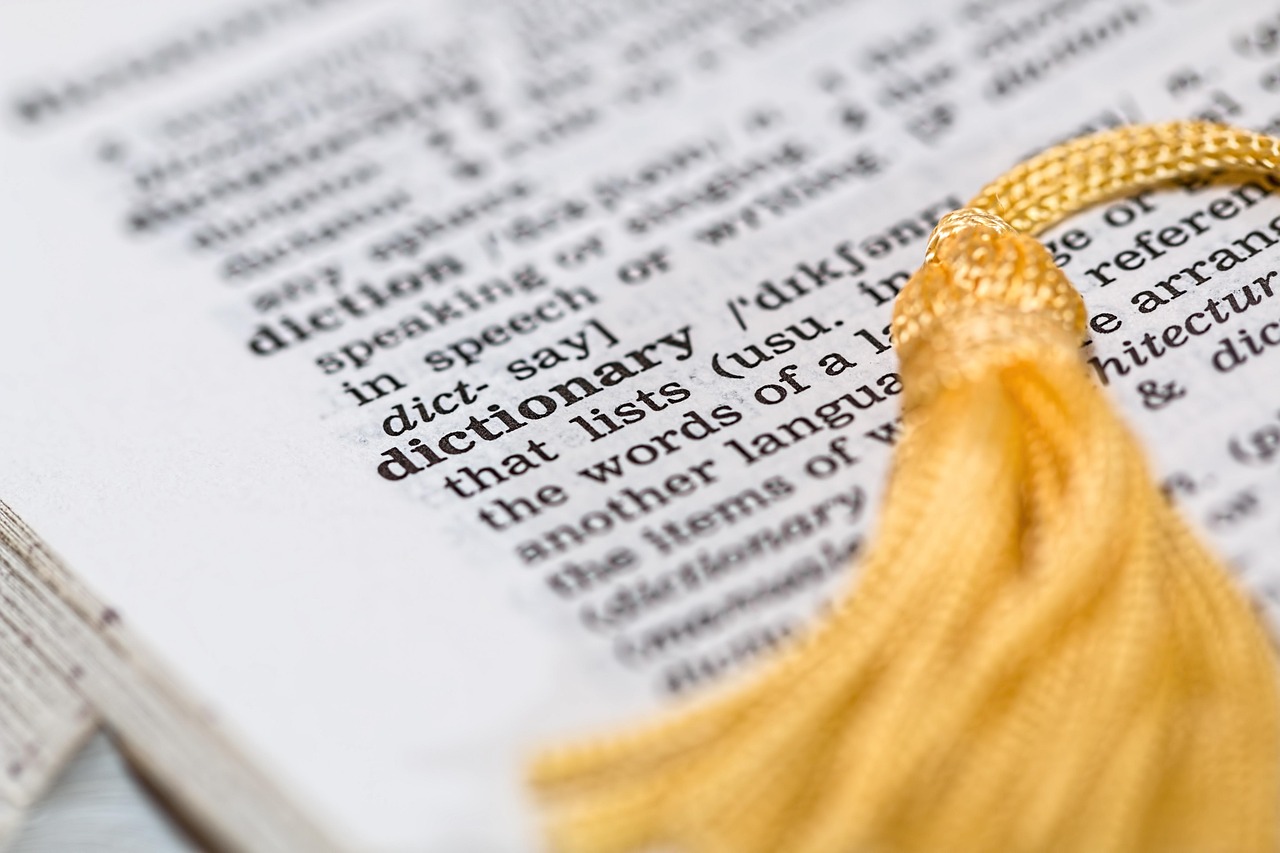
Education. The word itself conjures images of classrooms, textbooks, and perhaps the occasional pop quiz. But what if we told you that education is far more profound, far more ancient, and infinitely more vital than simply accumulating facts? It’s a fundamental human endeavor, a thread woven through the very fabric of our species’ survival and progress.
From the earliest flickers of human consciousness to the complex digital landscapes of today, education has been the silent, powerful engine driving our evolution. It’s not just about learning *what* to think, but *how* to think, *why* we exist, and *how* we can build a better future. Join us on a journey to uncover the deep roots and timeless significance of education, exploring its origins and deconstructing its enduring meaning.
The Dawn of Learning: Education in Prehistoric Times
Before the first written word, before the concept of a “school” even existed, education was a matter of survival. Early humans learned by necessity, observation, and direct imitation. The world was their classroom, and their teachers were the harsh realities of nature and the wisdom of their elders.
Imagine a group of early hominids. A child watches intently as an adult crafts a stone tool, carefully chipping away to create a sharp edge. This isn’t just observation; it’s an apprenticeship in action. Learning how to hunt, gather edible plants, identify dangers, make fire, and build shelter were not academic pursuits but critical life skills passed down through generations. Oral traditions—stories, myths, and legends—served as powerful vehicles for transmitting cultural knowledge, ethical codes, and collective memory. This primal form of education forged community bonds and ensured the continuation of the group.
Civilisation’s Cradle: Formalising Knowledge
As human societies grew more complex, so did their educational needs. The advent of agriculture led to settled communities, surplus food, and the specialisation of labor. No longer was everyone solely focused on hunting and gathering; now there were farmers, artisans, builders, and priests. This specialisation necessitated more structured ways of passing on specific skills and knowledge.
#### The Rise of Writing and Early Institutions
The invention of writing in ancient Mesopotamia around 3500 BCE marked a revolutionary turning point. Suddenly, knowledge could be recorded, preserved, and disseminated beyond the immediate presence of a teacher. Scribes became crucial, leading to the establishment of the first formal “schools” often attached to temples or royal courts. These institutions primarily trained individuals for administrative, religious, or scholarly roles, focusing on literacy, mathematics, and religious texts. Similar developments occurred in ancient Egypt, the Indus Valley, and China, where education became instrumental in maintaining complex social structures and powerful empires.
#### The Greek Ideal: Philosophy, Rhetoric, and Citizenship
Ancient Greece, particularly Athens, represents a profound shift in educational philosophy. While Sparta focused on rigorous military training to produce disciplined warriors, Athens cultivated an ideal of the *kalokagathia*—the harmonious development of mind, body, and spirit. Thinkers like Socrates, Plato, and Aristotle championed intellectual inquiry, critical thinking, and the pursuit of virtue.
Education in Athens was not just about acquiring facts but about developing well-rounded citizens capable of participating in democratic governance. Rhetoric, philosophy, mathematics, music, and gymnastics formed the core of a “liberal arts” education, designed to free the mind and prepare individuals for civic life and the pursuit of truth. It was here that the concept of education as a means to cultivate reason and ethical character truly blossomed.
#### Roman Pragmatism: Law, Engineering, and Governance
The Romans, renowned for their practical genius, adopted many aspects of Greek education but infused them with their own pragmatic spirit. While rhetoric remained important for legal and political careers, Roman education emphasised subjects like law, engineering, and architecture—skills essential for building and maintaining their vast empire. The goal was to produce effective administrators, soldiers, and citizens who upheld Roman values of discipline, duty, and order. Education was a tool for governance and societal stability, ensuring the practical functioning of a powerful state.
Medieval Europe and the Rise of Universities
Following the fall of the Western Roman Empire, education in Europe largely retreated into monastic and cathedral schools. Monasteries became vital custodians of knowledge, copying ancient texts and providing instruction in Latin, theology, and the liberal arts.
By the 11th and 12th centuries, as cities grew and intellectual curiosity revived, the first universities emerged in places like Bologna, Paris, and Oxford. These institutions were groundbreaking, bringing together scholars and students from across Europe to study theology, law, medicine, and the arts. Universities fostered a culture of debate and inquiry, laying the foundations for modern academic disciplines and the systematic pursuit of knowledge. They were crucial in standardizing curricula and granting degrees, establishing a structure that largely persists today.
The Renaissance and Enlightenment: Humanism and Reason
The Renaissance, a “rebirth” of classical learning, shifted educational focus from purely religious doctrine back to human potential and achievement. Humanists advocated for a broad education that cultivated eloquence, moral virtue, and a deep understanding of human history and culture. The invention of the printing press by Gutenberg democratised access to books, spreading knowledge far more widely and rapidly than ever before.
The Enlightenment further championed reason, scientific inquiry, and individual liberty. Thinkers like John Locke and Jean-Jacques Rousseau argued for education as a means to foster critical thinking and individual autonomy, rather than simply instilling obedience. The idea of universal education, accessible to all citizens regardless of social standing, began to take root, challenging the elitist structures of the past and paving the way for public schooling systems.
Beyond the Classroom: Deconstructing the True Meaning of Education
Having traced its historical journey, it becomes clear that education is not merely a process of schooling or information transfer. It is a dynamic, multifaceted human endeavor with profound individual and societal implications.
#### Cultivating the Individual: Personal Growth and Self-Realisation
At its core, education is about the development of the individual. It’s the lifelong process of nurturing curiosity, expanding understanding, and sharpening abilities.
* Critical Thinking: The ability to analyse information, evaluate arguments, and form independent judgments.
* Creativity and Innovation: Fostering imaginative thought and problem-solving skills, essential for adapting to new challenges.
* Emotional Intelligence: Developing self-awareness, empathy, and the capacity to navigate social interactions effectively.
* Character Development: Instilling values like integrity, resilience, responsibility, and compassion.
* Self-Realisation: Helping individuals discover their passions, talents, and purpose, enabling them to lead fulfilling lives.
Education empowers us to question, to explore, and to understand ourselves and our place in the world. It’s the journey from ignorance to insight, from potential to actualisation.
#### Empowering Societies: Citizenship, Progress, and Innovation
Beyond personal growth, education is the bedrock of thriving societies. It fuels collective progress and ensures the health and stability of communities.
* Informed Citizenship: An educated populace is better equipped to participate in democratic processes, make informed decisions, and hold leaders accountable.
* Economic Development: Education drives innovation, improves productivity, and fosters entrepreneurship, leading to greater prosperity for all.
* Social Mobility: It offers individuals opportunities to improve their circumstances, breaking cycles of poverty and inequality.
* Cultural Preservation and Advancement: Education transmits cultural heritage, values, and traditions while also fostering the critical thinking necessary to question and evolve them.
* Ethical Advancement: It promotes understanding, tolerance, and a sense of shared humanity, fostering more just and equitable societies.
From scientific breakthroughs that cure diseases to diplomatic efforts that prevent conflicts, education is the catalyst for nearly every form of societal advancement.
#### Adapting to Change: Lifelong Learning in the Modern World
In our rapidly evolving world, the meaning of education has taken on an even more urgent dimension. The “shelf life” of knowledge is shrinking, and new technologies are constantly reshaping industries and job markets. The modern meaning of education is inextricably linked to the concept of lifelong learning.
It’s no longer enough to complete a degree and consider one’s education finished. We must cultivate a mindset of continuous learning, upskilling, and reskilling. This involves:
* Embracing new technologies and digital literacy.
* Developing adaptability and resilience in the face of change.
* Cultivating interdisciplinary thinking to solve complex global problems.
* Prioritising soft skills like communication, collaboration, and critical thinking, which are increasingly valued over rote knowledge.
Education, in this context, is the ongoing process of equipping ourselves to navigate an uncertain future, to remain relevant, and to continue contributing meaningfully to society.
Reclaiming Education’s Core: Practical Steps for Learners and Educators
Understanding the origin and meaning of education gives us a powerful framework for how we approach it today.
For Learners (of all ages):
* Embrace Curiosity: Don’t just learn what you’re told; ask “why?” and “how?” Explore topics that genuinely fascinate you.
* Seek Diverse Knowledge: Read widely, engage with different perspectives, and explore subjects outside your immediate field of interest.
* Apply Your Learning: Connect theoretical knowledge to real-world problems. How can what you’re learning be used to make a difference?
* Cultivate Soft Skills: Actively practice communication, teamwork, empathy, and problem-solving. These are invaluable in any context.
* Learn from Failure: See mistakes as opportunities for growth, not as endpoints. Resilience is a key outcome of true education.
For Educators, Parents, and Institutions:
* Foster Critical Thinking: Move beyond memorisation. Encourage questioning, debate, and independent thought.
* Connect Learning to Real Life: Show students the relevance of what they’re learning to their lives and the world around them.
* Promote Holistic Development: Focus not just on academic achievement but also on emotional intelligence, ethical reasoning, creativity, and physical well-being.
* Model Lifelong Learning: Demonstrate your own curiosity and commitment to continuous growth.
* Create Inclusive Environments: Ensure that education is accessible, equitable, and responsive to the diverse needs of all learners.
The Enduring Legacy of Learning
From the first lessons in survival etched into the prehistoric mind to the sophisticated algorithms guiding modern learning platforms, education has always been about more than just knowledge transfer. It’s about transformation. It’s about equipping individuals with the tools to navigate their world, to understand themselves, and to contribute to the collective human story.
Education is not a destination but a lifelong journey—a continuous unfolding of potential, a relentless pursuit of understanding, and an unwavering commitment to building a brighter future. As we look ahead, let us remember its profound origins and embrace its enduring meaning, ensuring that the flame of learning continues to illuminate the path for generations to come.
Get the best life changing information for the new age.


0 responses on "From Ancient Wisdom to Modern Minds: Unveiling the True Origin and Enduring Meaning of Education"